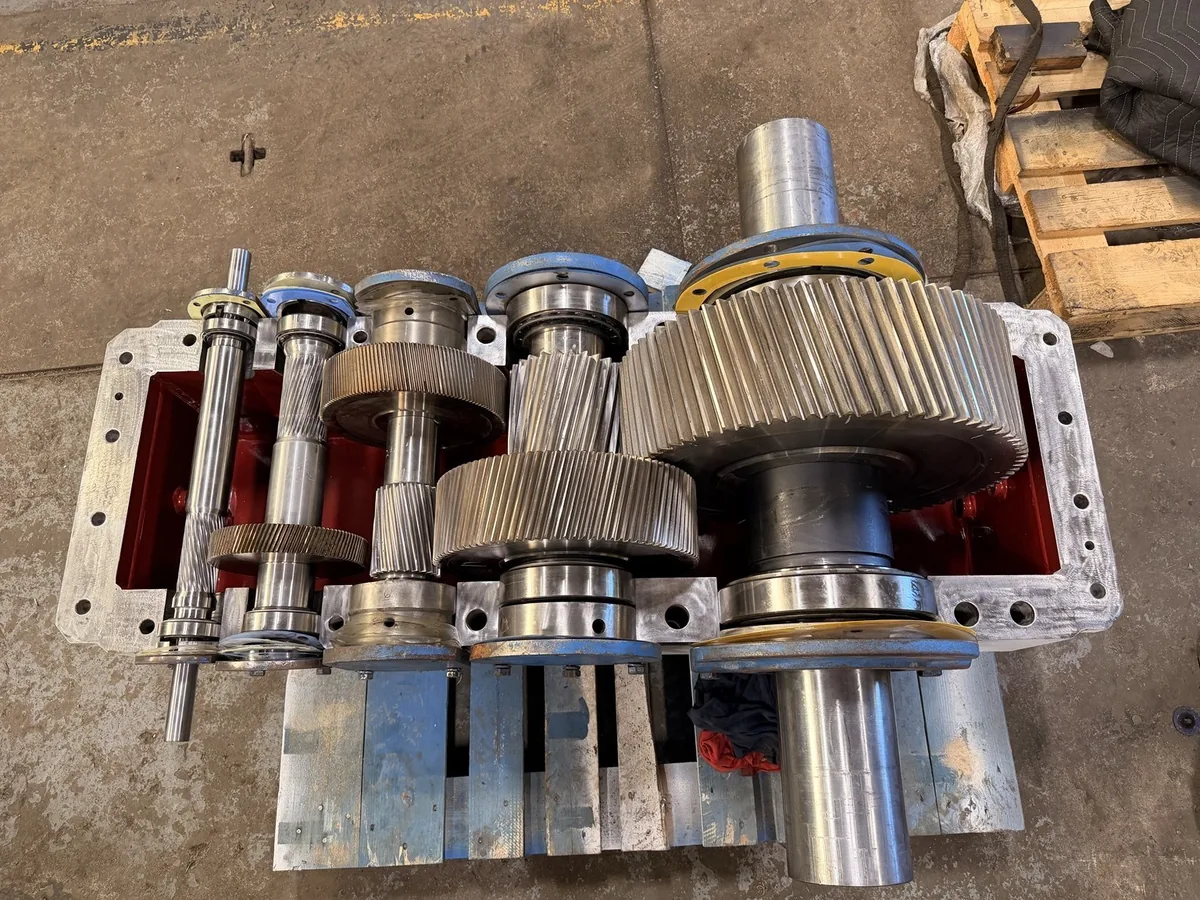
Industrial gearbox repair shipping involves more than booking a truck. The receiving workshop must know what is arriving, the carrier needs accurate shipment details, and your maintenance team needs a plan for the return. This intake guide helps organize the information before equipment leaves your facility.
Confirm acceptance before arranging freight
Obtain the receiving address, contact, delivery hours, and reference number directly from the intended workshop. Confirm that the unit and the requested evaluation have been accepted. A website inquiry or an informal price conversation is not a shipping authorization.
Ask who books freight, who pays each transport charge, and whether inspection fees apply if repair is declined. Clarify where the equipment will be returned and how storage or delayed collection will be handled. Put the agreed arrangements in the project record.
Prepare an equipment intake sheet
| Information | What to record |
|---|---|
| Identification | Manufacturer, model, serial number, and your asset number |
| Shipment size | Verified packaged dimensions and weight |
| Condition | Symptoms, visible damage, and whether the unit has been dismantled |
| Contents | Gearbox and every accessory or loose component included |
| Contacts | Shipping coordinator and repair authorization contact |
| Timing | Collection availability and required return window |
Photograph the shipment
Keep readable nameplate photographs and images of the equipment before packing. Include the accessories and the completed package in the record. These photographs help the receiving team identify the shipment and compare its arrival condition with the departure record.
Agree handling and packaging requirements
Use the applicable equipment instructions and a qualified shipping or rigging provider to determine suitable handling and securement. Verify the weight rather than estimating it from the appearance of the gearbox. Confirm loading and unloading arrangements at both ends before dispatch.
Ask the workshop and carrier about lubricant handling, containment, protection of exposed surfaces, and packaging. Requirements depend on the equipment and transport arrangements; this page does not prescribe a universal drain, lifting, or tie-down procedure. Include any required handling documentation with the shipment.
Keep loose components traceable
If covers, couplings, or other components travel separately, create an inventory that connects each package to the same asset and repair reference. Tell the workshop whether anything is missing or intentionally retained at your facility. Unidentified parts can create uncertainty about the inspection scope.
Do not send a damaged sample without explaining its relationship to the assembly. Provide the available service history and state who removed it. This context supports accurate intake without asking the workshop to reconstruct the shipment's history.
Plan the return before the repair finishes
Confirm the return destination, site access, receiving schedule, and installation team's availability. Ask what documentation and preparation instructions will accompany the repaired unit. If installation will be delayed, obtain the relevant storage instructions rather than leaving the package unattended indefinitely.
What our inquiry brief does
The repair brief tool lets you download an equipment brief for your own records. It does not book freight or send an inquiry. Confirmed business contact and receiving details are being finalized; no equipment should be dispatched without confirmed receiving instructions.
Make the shipping reference the link between people and equipment
A repair shipment often passes through several hands before an inspector sees it. The plant's maintenance team identifies the equipment, a shipping team prepares it, a carrier moves it, and receiving staff accept it. Use one agreed reference across the paperwork, package identification, and correspondence so those handoffs do not depend on everyone recognizing the gearbox by appearance.
Include your asset number as well as the manufacturer's identification when available. Two units can look alike but have different histories or configurations. If multiple gearboxes are shipped together, give each a separate inventory and condition record. Ask the receiving workshop how it wants the project reference displayed and where the accompanying documents should be placed.
Keep commercial and technical contacts identifiable
The person arranging collection may not be able to authorize an inspection or answer a question about symptoms. Provide the appropriate contacts for shipment coordination, technical questions, and repair decisions. Identify a backup where practical. This helps prevent a received shipment from sitting unresolved because its paperwork lists only a general dispatch number.
Update the contact record if responsibility changes while the equipment is away. A repair project can extend beyond a shift pattern, holiday, or purchasing handover. The workshop should know who currently owns the decision rather than repeatedly following an outdated message chain.
Verify the freight information before booking
The information used to arrange transport should describe the prepared shipment, not just the bare gearbox. Packaging, supports, and separately packed accessories affect the shipment details. Have the responsible shipping provider verify the necessary dimensions, weight, access requirements, and handling arrangements. Do not assume a figure copied from an old quotation still applies to the package leaving your site.
Explain any site constraints when requesting transport. Receiving hours, vehicle access, loading arrangements, and appointment requirements can affect the movement. Confirm the same information at the destination. A carrier arriving when the workshop cannot receive the unit creates avoidable uncertainty even when the repair itself is ready to begin.
Confirm who is responsible for each movement
Record who books outbound collection and who arranges the return. Ask which party receives tracking updates and handles exceptions. Keep the freight quotation and agreed service details with the repair file. “Nationwide inquiries” does not mean that collection is automatically included, and a repair quotation should not be assumed to include transport unless it says so.
For a time-sensitive shipment, ask the carrier what the quoted service commits to and how delays will be communicated. Coordinate those terms with the workshop's receiving availability. Avoid treating a requested arrival date as confirmed until the parties responsible for the movement have agreed it.
Document the condition without disturbing the evidence
Before packaging, record visible condition and identify anything already disconnected, removed, or damaged. Take photographs that show the complete unit as well as identifying details. If the gearbox is being sent for failure investigation, ask the specialist what preparation is appropriate before cleaning or changing its condition. The shipping team needs those instructions before it begins preparing the assembly.
Label loose items clearly and record where they came from when that information is known. Do not invent an assembly position for an unidentified part. State that its origin is uncertain and include the information available. Accurate uncertainty is more useful to the receiving inspector than a confident but incorrect label.
Prepare a departure record
The departure record should identify the shipment, its contents, the condition documented, and the date handed to the carrier. Keep the carrier paperwork with the photographs. This gives the receiving team a clear reference when checking what arrived and helps your own staff answer questions without recreating the packing process from memory.
If something changes after the photographs are taken, update the record. For example, an accessory may be retained at the last minute or an additional box may be added. The inventory should describe the actual dispatch, not an earlier plan that was never corrected.
Agree the intake check at the destination
Ask how receipt will be acknowledged and which contact will receive that acknowledgment. Receipt of freight and acceptance of the technical repair scope are different events. The receiving team may confirm delivery before the inspection team has reviewed the equipment or matched every accessory to the project.
If the arrival check identifies missing contents, unexpected condition, or a mismatch with the paperwork, the project contact should be told promptly. Compare the departure record with the arrival record and follow the applicable carrier and workshop procedures. Preserve the relevant documentation rather than resolving the issue through an undocumented telephone explanation alone.
Understand when the evaluation clock starts
Confirm whether evaluation scheduling begins at delivery, after paperwork is complete, or after inspection authorization is received. This distinction matters when equipment arrives ahead of an approved purchase order. Sending a gearbox early does not necessarily place it immediately into an inspection schedule.
Once intake is complete, establish the next update point. That may be confirmation of the evaluation date or delivery of the initial findings. A clear next step helps both parties distinguish normal processing from a project waiting for missing information.
Prepare for exceptions and the return journey
Discuss what happens if repair is declined, the scope changes substantially, or the unit must remain at the workshop longer than expected. Ask about return condition, packaging, collection arrangements, and any applicable charges. These details should be agreed before they become urgent, especially if the equipment has been dismantled during evaluation.
For a repaired unit, confirm what will be shipped back and which records accompany it. Review whether packaging and handling instructions differ from the outbound movement. The installation team should know when to expect the equipment and where to find the documentation needed for the next stage.
Keep delivery and installation separate
A successful delivery closes the transport movement, not the complete repair project. The receiving plant still needs its own controlled inspection, storage or installation arrangements, and appropriate startup process. Tell the workshop if the unit will not be installed promptly so equipment-specific storage information can be requested before dispatch.
After receipt, reconcile the returned contents with the agreed inventory. File the repair documents under the asset record rather than leaving them only with shipping paperwork. This makes them accessible to the people maintaining the gearbox months after the freight transaction has been closed.
Run a final dispatch handoff
Before the carrier arrives, compare the prepared shipment with the latest inventory and receiving instructions. Confirm that the package reference, destination, contact details, and collection arrangements agree. Have the responsible team resolve discrepancies before release. A last-minute change to the destination or contents should be reflected in the paperwork rather than passed along only as a verbal message to the driver.
After dispatch, send the agreed tracking and shipment information to the project contact through the established channel. Keep a copy of what was actually handed over, including any separate packages. If the arrival forecast changes, notify the receiving team so it can adjust its arrangements. These communication steps do not replace proper packaging or carrier procedures; they connect those activities to the repair project and make the movement easier to trace from departure through receipt.
Gearbox shipping and intake: frequently asked questions
Can we ship a gearbox as soon as we submit an inquiry?
No. Obtain explicit receiving instructions and acceptance of the evaluation before dispatch. Confirm the address, reference, contact, and delivery arrangements directly with the business. An inquiry form or downloaded brief is a starting document, not authorization to send equipment to an unconfirmed location.
Is nationwide pickup included in the repair price?
Do not assume it is. Freight responsibility and any collection service must be confirmed in the actual project arrangements. Ask for outbound and return costs to be identified separately where appropriate. This preview does not advertise an established free-pickup or free-return policy.
Should we drain the lubricant before transport?
Follow the instructions applicable to the particular gearbox and the agreed carrier and receiving requirements. Different equipment and transport arrangements may require specific preparation. Ask the responsible parties before dispatch, document what was done, and do not substitute a general webpage for the unit's handling instructions.
Can we use the lifting points that are visible on the housing?
The lifting method must be determined from the applicable instructions and by qualified personnel responsible for the movement. A visible attachment point should not be assumed suitable for lifting an entire assembled shipment. Confirm the equipment configuration, weight, and handling plan before any lift is attempted.
What if we do not know the exact shipment weight?
Have the weight verified through an appropriate method before transport is booked or handling equipment is selected. Explain the uncertainty to the shipping provider. An estimate based only on appearance or a similar gearbox can be unreliable, particularly when accessories and packaging are included.
How should we send loose gears or other removed parts?
Agree packaging with the receiving specialist and shipping provider. Keep each item traceable to the equipment and include an inventory describing what is known about its origin and condition. Tell the workshop that the assembly has been dismantled and clarify whether the requested evaluation covers all the loose components.
What documents should accompany the shipment?
Include the agreed project reference, equipment identification, contents inventory, contacts, and authorized evaluation details. Supply relevant technical records through the method arranged with the workshop. Retain your own copies so the information remains available if papers are separated from the package during handling.
What if the gearbox arrives with unexpected damage?
Document the observed arrival condition and notify the appropriate project and freight contacts under the agreed procedures. Compare the departure photographs, inventory, and transport records. Avoid altering relevant evidence before receiving instructions. Any claim or responsibility assessment depends on the actual facts and transport terms.
Can we arrange return freight before the repair is complete?
You can plan requirements and obtain information in advance, but confirm readiness before making a collection commitment. Workshop release, paperwork, packaging, and receiving availability should all be coordinated. A projected completion date may change if inspection findings or approved work change during the project.
Does the repair brief on this website send our details to the workshop?
Not in the current preview. It creates a downloadable brief for your own records and does not transmit an inquiry or book transport. Confirmed contact and receiving information will be added before the public launch. Keep the brief ready to share through the business's confirmed inquiry channel.
Prepare your equipment details
Bring your gearbox identification and project notes together before discussing the next step.
Create a repair brief ↗